This guide contains affiliate links. If you buy through them we may earn a small commission at no extra cost to you—it helps keep these guides free.
The goal: playable, not pretty
A weekend prototype exists to answer one question—is this fun?—and nothing else. It does not need original art, a title screen, or a save system. The fastest path to a playable build is to stop making things you can simply assemble. The Unity Asset Store turns the parts you would normally spend weeks on into a half-hour import, which is exactly what you want when you are racing to test an idea before you lose interest in it.
Saturday morning: the controller and the space
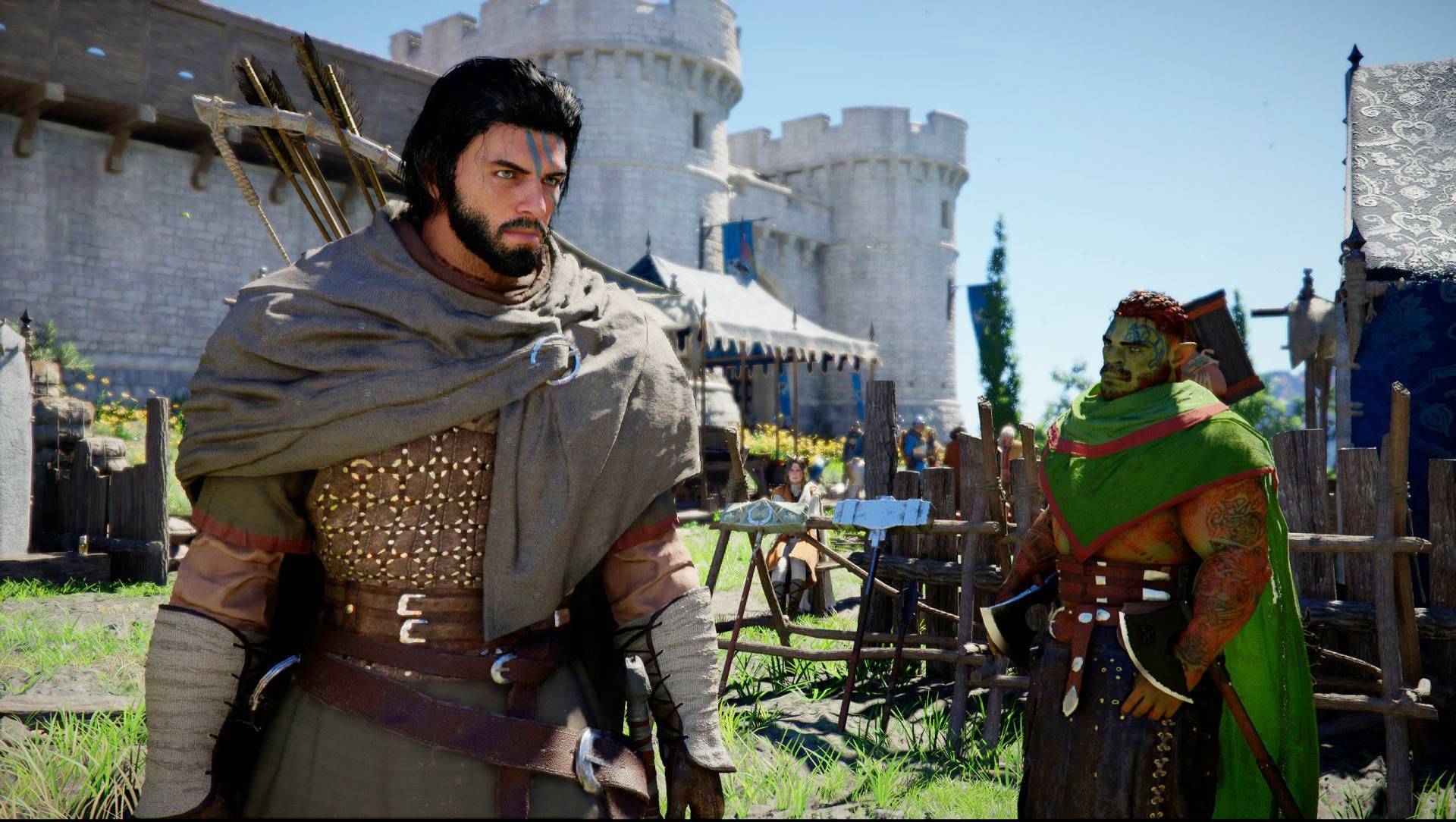
Start with how the player moves, because everything else hangs off it. Rather than coding physics from scratch, pull in a ready-made character controller—third-person, first-person, or 2D platformer depending on your idea. Then grab a small environment or level kit so your character has somewhere to be. Within a couple of hours you should have a figure you can run around a real space. That alone tells you more about your idea than a week of design notes.
Saturday afternoon: the core verb
Now add the one action your game is actually about—shooting, building, jumping, casting. Reuse as much as you can: an effects pack for the impact, an audio pack for the sound, a placeholder enemy model from a character set. Search the Unity Asset Store for the specific mechanic and you will often find a system you can adapt in an hour instead of authoring from nothing. Resist polishing. If the verb feels good with borrowed art, the idea has legs.
Sunday: the loop and a test
Spend Sunday closing your core loop—give the player a goal, a way to fail, and a reason to try again—then hand the build to someone and watch them play. The whole point of moving this fast is to reach this moment while the idea is cheap to change or throw away. If the loop is boring even with decent assets dressing it up, you have saved yourself months. If it is fun, you now have proof and a base to build on.
What happens to the assets later
Prototype assets are not a commitment. Some you will keep, some you will replace with custom work once you know the game is worth it, and some you will delete. That flexibility is the real value: the store let you find the fun first and decide what to invest in second. Almost every successful small studio started exactly here—borrowed parts, a quick test, then targeted investment in what mattered.